Foundation + first department
One bounded engagement that creates the shared operating foundation and proves one complete department loop.
 MIOSA
MIOSA
 Merydian
Pritt Investment Partners / Phase 1 BusinessOS
A complete internal plan for turning Scott Tripp's existing agents, operating concepts, and company data into a role-aware BusinessOS built on Optimal Engine.
Commercial decision
Scott's vision is directionally aligned, but the team cannot responsibly promise final outputs, modules, or integrations until Pritt's real operating model is discovered and encoded.
One bounded engagement that creates the shared operating foundation and proves one complete department loop.
The department is selected by owner readiness, evidence quality, repeated pain, measurable outcome, and implementation fit.
Company-wide rollout, unlimited integrations, recurring maintenance, and every executive agent remain separately gated.
Implementation method
The engagement converts Pritt's real operating language and behavior into the contracts Optimal Engine and BusinessOS need.
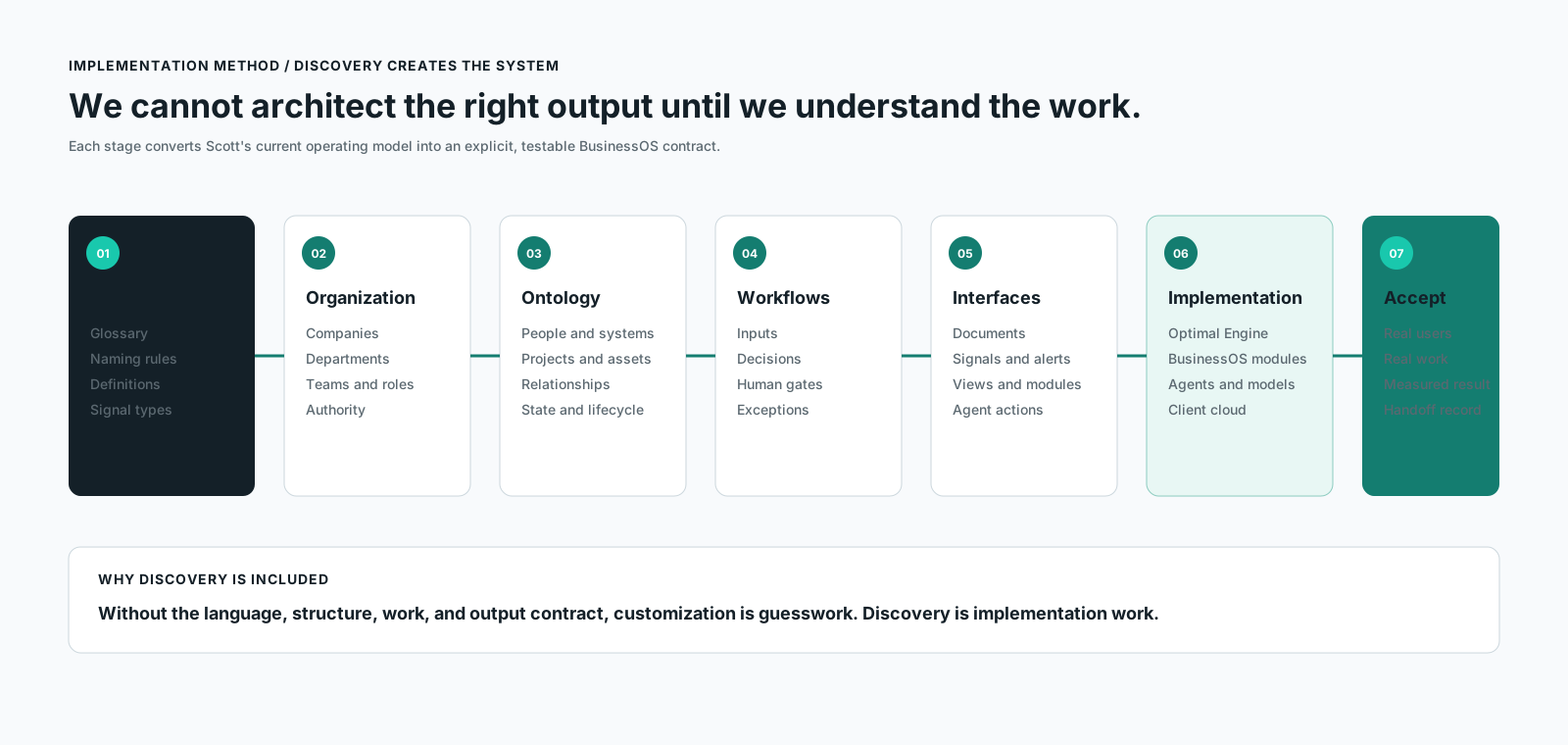
Canonical names, role definitions, document types, stages, signals, and decision language.
Companies, departments, projects, processes, assets, documents, sources, and status categories.
Ownership, authority, dependencies, lifecycle, approvals, evidence, and cross-department relationships.
Documents, signals, dashboards, modules, alerts, queues, approval controls, and agent actions.
Work location model
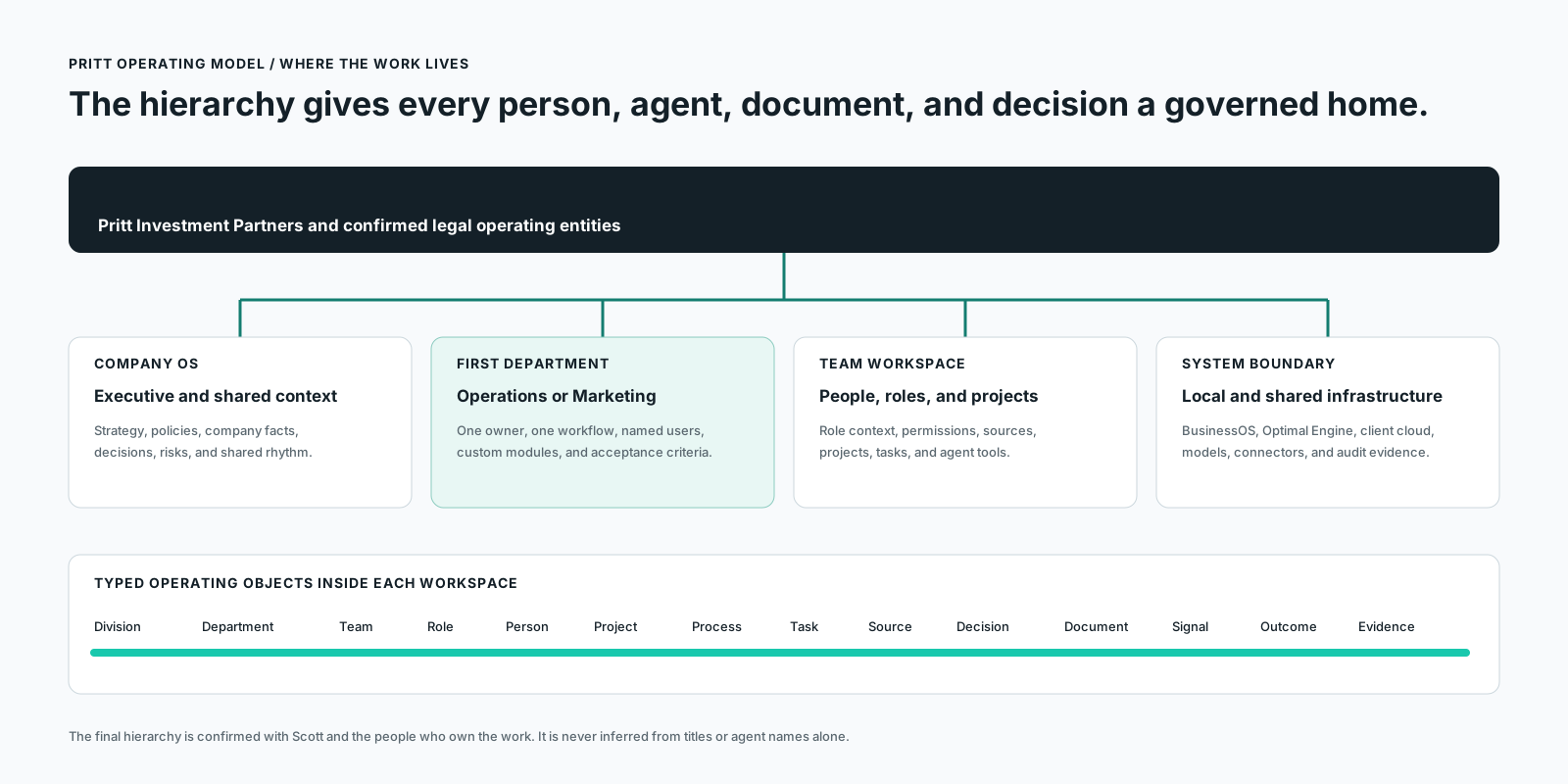
BusinessOS is organized around Pritt's actual companies, departments, teams, roles, projects, processes, and tasks, not around a generic folder tree or a list of AI assistants.
Input to outcome
Scott and the department team identify the actual inputs, decisions, exceptions, documents, signals, actions, outputs, and measurable outcomes.
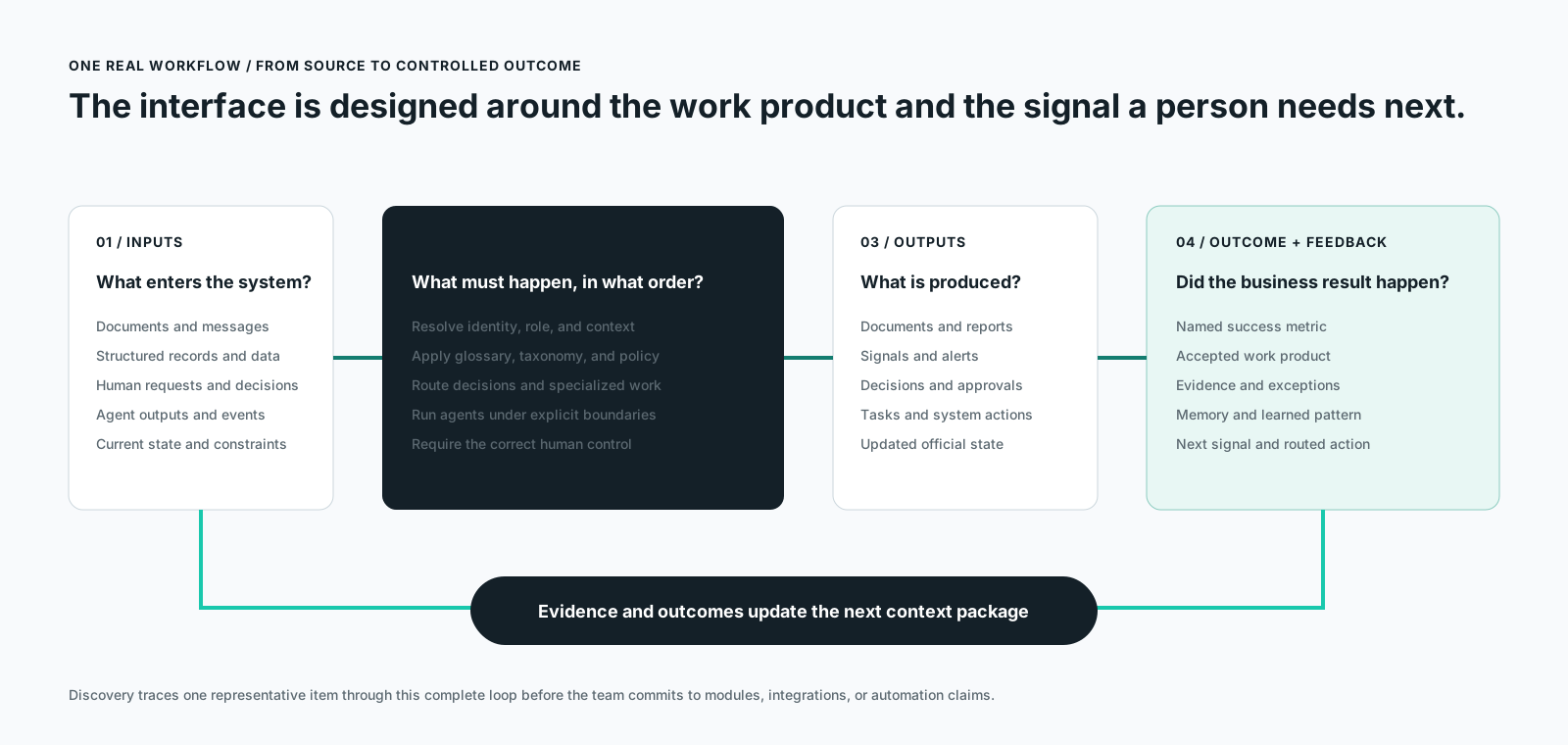
What arrives, from where, in which format, with what required context?
What decisions, handoffs, branching, exceptions, tools, and human controls occur?
Which documents, signals, updates, actions, and interfaces must be produced?
What measurable result proves the system improved the work?
Reference architecture
Scott's supported local models and existing agents become discovery inputs. They are evaluated, normalized, and connected to role-aware work rather than copied blindly into production.
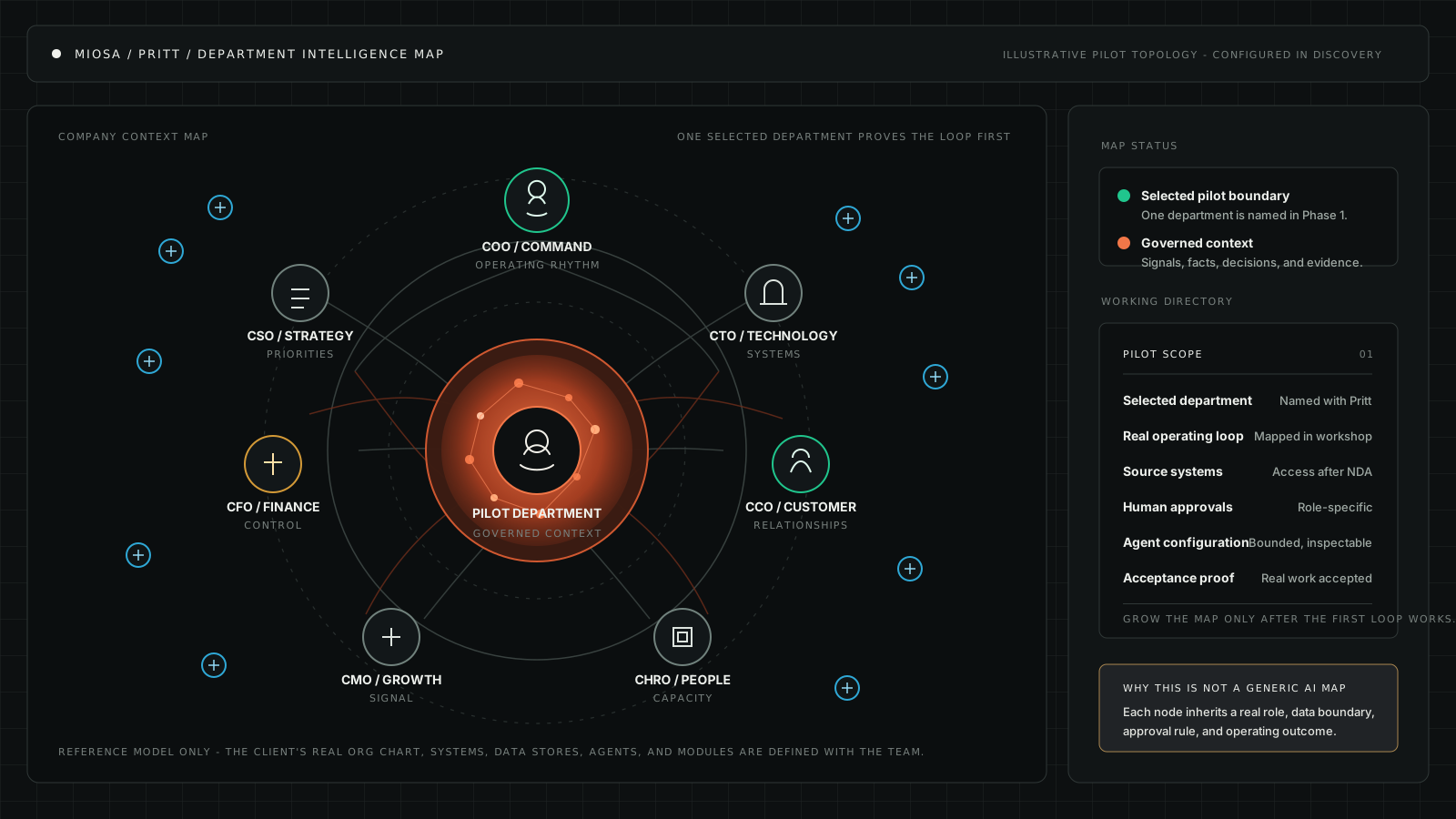
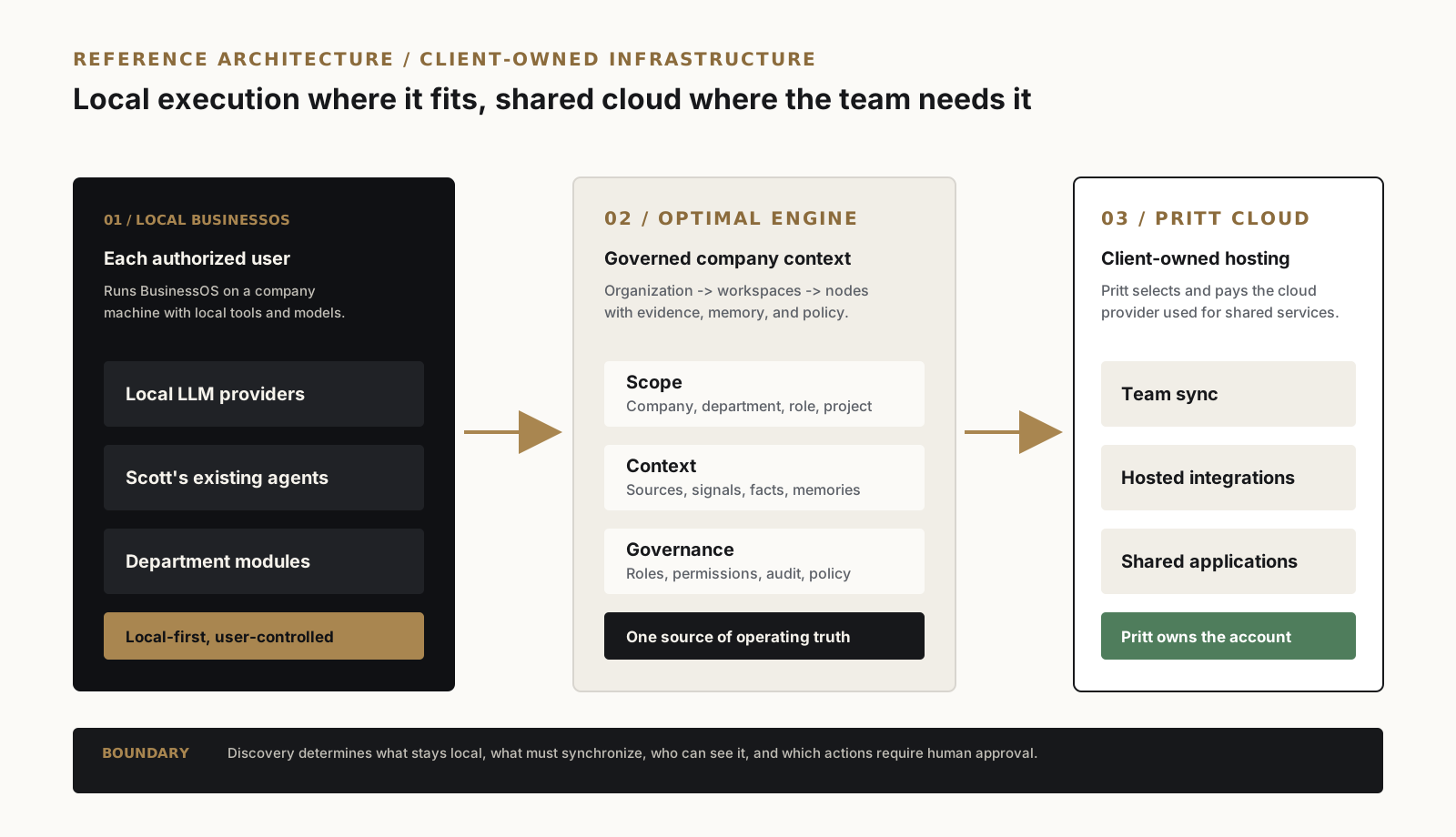
The reference engine for governed organizations, workspaces, nodes, sources, signals, claims, facts, memory, retrieval, context packages, workflows, skills, policy, and audit.
Commercial structure
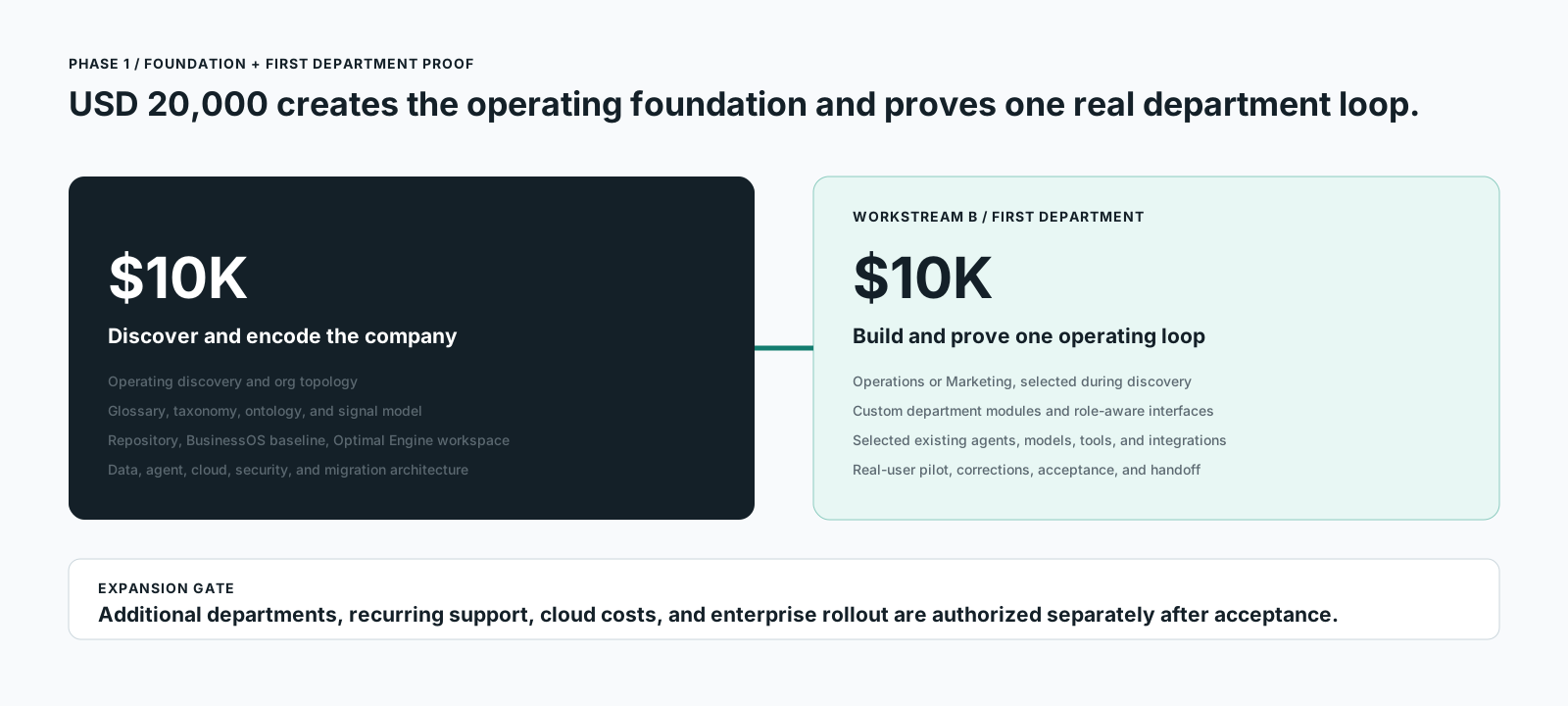
The structure pays for the modeling required to build the right system and for one complete department implementation. Expansion follows acceptance.
Issue triage, updates, routine corrections, dependency maintenance, monthly review, and a controlled support queue.
Everything in maintenance plus workflow optimization, new approved capabilities, deeper reporting, training, and prioritized iteration.
Cloud, models, third-party tools, licenses, security services, and material new integrations remain client-owned or separately scoped.
Document library
Internal strategy stays internal. The client receives only the approved proposal, technical guide, and working-session materials.
Qualification, commercial structure, risks, ownership, scope, and release gate.
Client-safe method, USD 20,000 Phase 1, deliverables, dependencies, and next step.
BusinessOS, Optimal Engine, local and cloud placement, data, agent intake, and controls.
Guided capture for language, hierarchy, workflows, outputs, interfaces, systems, and acceptance.
First client working session
The session should produce a confirmed company map, first department, representative workflow, artifact package, and decision path.
Buyer, approvers, urgency, budget, first-department owner, and acceptance authority.
Legal entities, companies, circles, departments, teams, roles, users, and decision rights.
Input, context, decisions, agents, human gates, output, exception, evidence, and outcome.
Commands, soul files, models, data, documents, tools, cloud, security, and integration constraints.
Owners, artifact deadline, repository access, first department, scope, payment, and kickoff.
Delivery ownership
The client should receive one coordinated plan, one artifact request, one delivery record, and one consolidated update path.
Buyer qualification, scheduling, expectations, approvals, and the consolidated client thread.
Cadence, artifact collection, dependencies, owners, handoffs, and delivery record.
Module implementation, integrations, QA evidence, issues, and technical completion.
Discovery method, topology, Optimal Engine, BusinessOS architecture, review, and implementation consulting.
Client lane
The draft explains the method and Phase 1 without exposing internal qualification, compensation, or delivery risk notes.
USD 20,000 Phase 1. Company modeling, BusinessOS baseline, Optimal Engine workspace, and one accepted department implementation.